
Fabric sourcing
Fabric Sourcing Services for Apparel Brands
Fabric sourcing for apparel manufacturing that helps clothing brands and sourcing teams coordinate materials, finishes and trims around programme requirements before sampling and bulk production.
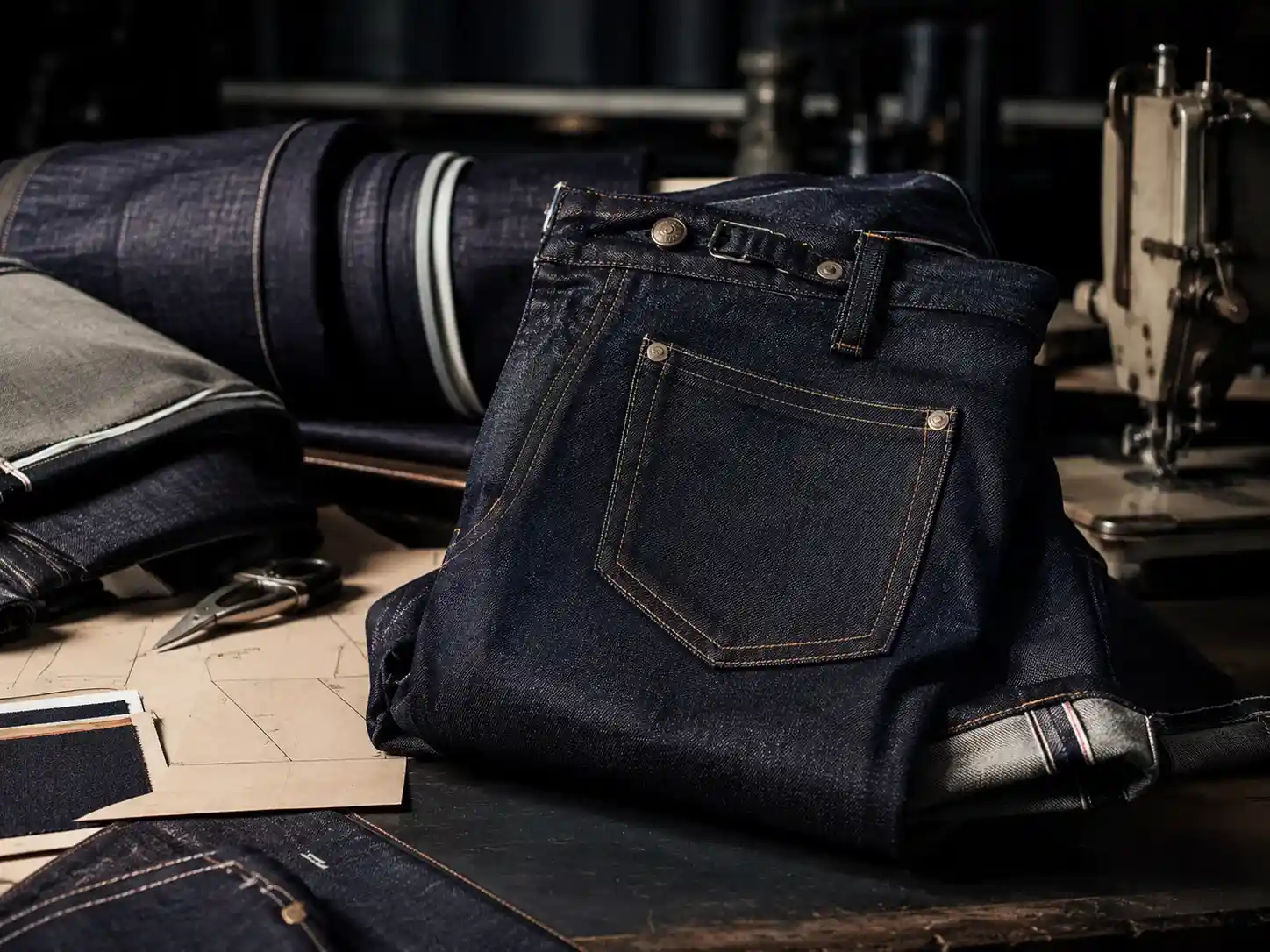
Overview
How fabric sourcing supports manufacturing
DiamondApparels provides fabric sourcing support for apparel brands, product development teams and private-label buyers who need material direction aligned to garment quality, construction and manufacturing requirements.
This capability focuses on commercial sourcing coordination — clarifying fabric and trim requirements, reviewing candidate material directions, aligning colour and finish expectations, and confirming approved references before production preparation. It is not a general fabric education guide.
For educational guidance on fibre, weight, hand-feel and selection considerations, see the Apparel Fabric Selection Guide. Garment specification and construction planning sit with Product Development, while physical confirmation continues through Garment Sampling.
Scope
What fabric sourcing services cover
Activities
Fabric sourcing and manufacturing preparation workflow
Requirements and specifications
Clarify garment category, end use, desired fabric direction, weight, composition, hand-feel, stretch, colour, finish and construction needs from the brief.
Fabric and trim coordination
Review candidate main fabrics and related trims, linings, threads or accessories against programme priorities — without claiming every material type is available.
Colour, finish and presentation alignment
Align colour and finish direction with approved design intent so sampling and bulk planning share a consistent material reference.
Sampling and material review
Assess hand-feel, appearance and garment construction compatibility during prototype or sample development when material options are included in the programme.
Approval before production preparation
Confirm selected fabric and trim direction before bulk planning so manufacturing preparation follows the approved material reference.
Quality and consistency considerations
Use sealed fabric references and programme checks to support consistency against approved standards. Laboratory testing, dye-lot guarantees and third-party certifications are not claimed unless independently verified for a specific programme.
Prepare
What to share when requesting fabric sourcing support
Clear material inputs help sourcing start from a shared reference. Exact needs depend on garment category and programme complexity.
Workflow
How it fits into manufacturing
Fabric sourcing supports product development and sampling, then locks material direction ahead of bulk production preparation so construction and finishing share an approved reference.
Collaboration and approvals
Material choices are reviewed with the buyer team so construction samples, private-label presentation and bulk planning share the same approved fabric and trim direction. Named mills, certified-fabric claims and specific standards are shared only when independently verified.
Quality considerations
Incoming material checks and sealed fabric references help programmes stay aligned to approved standards during production. Where technical testing or certification is required, those requirements must be established and verified for the particular programme — GOTS, OEKO-TEX, organic or recycled credentials, shrinkage or colourfastness ratings are not claimed on this page.
FAQs
Fabric sourcing questions
Practical answers for apparel brands and sourcing teams evaluating fabric sourcing for apparel manufacturing.
What does apparel fabric sourcing involve?
Apparel fabric sourcing coordinates material requirements for a manufacturing programme — reviewing fabric direction, weight, composition, hand-feel, colour, finishes and related trims against the garment brief before sampling and production preparation.
Can DiamondApparels help coordinate fabric options for a clothing collection?
Yes. Fabric and trim options can be coordinated against programme priorities so development, sampling and bulk planning share a clear material direction. Availability depends on the brief and verified programme requirements.
What fabric information should a buyer provide?
Share garment category, end use, fabric references or specification sheets, desired composition and weight, colour and finish direction, trim or branding needs, estimated quantities and any target timeline.
Can fabric and trims be reviewed during sampling?
Yes. Hand-feel, appearance and construction compatibility can be reviewed during prototype or garment sampling when material options are included in the programme. Sampling confirms presentation against the brief; it does not replace independently required laboratory testing.
How are colour, weight and hand-feel requirements communicated?
Buyers can provide references, specification sheets and written requirements for weight, composition, hand-feel, stretch, colour and finish. Those inputs guide sourcing coordination and sample review before materials are approved for production preparation.
Can fabric sourcing support private-label programmes?
Yes. Private-label programmes can include fabric and trim coordination alongside branding and packaging preparation so collections launch under the buyer’s identity with approved material references.
What information is required to request a quote?
Share product categories, fabric requirements or references, trim and branding needs, estimated quantities, delivery destination and any target timeline. Our team will discuss suitable next steps for your programme.
Next step
Planning fabric sourcing for your next apparel programme?
Share your product categories, fabric requirements, target quantities, specifications and production timeline to start a manufacturing discussion.